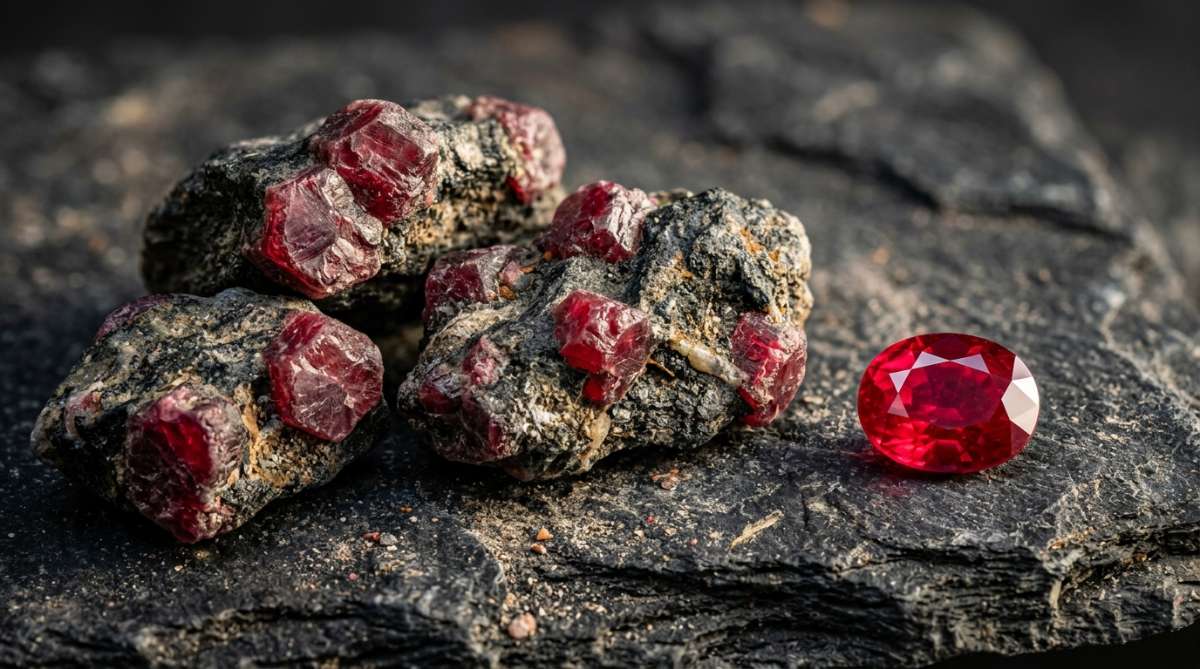
Buying a natural gemstone online raises real questions — is it treated, where did it actually come from, and how do you verify a certificate before paying. This guide answers the questions we get asked most on WhatsApp, in plain language, so you can buy with confidence whether this is your first gemstone or your fiftieth.
Is This Gemstone Treated, and Does It Matter?
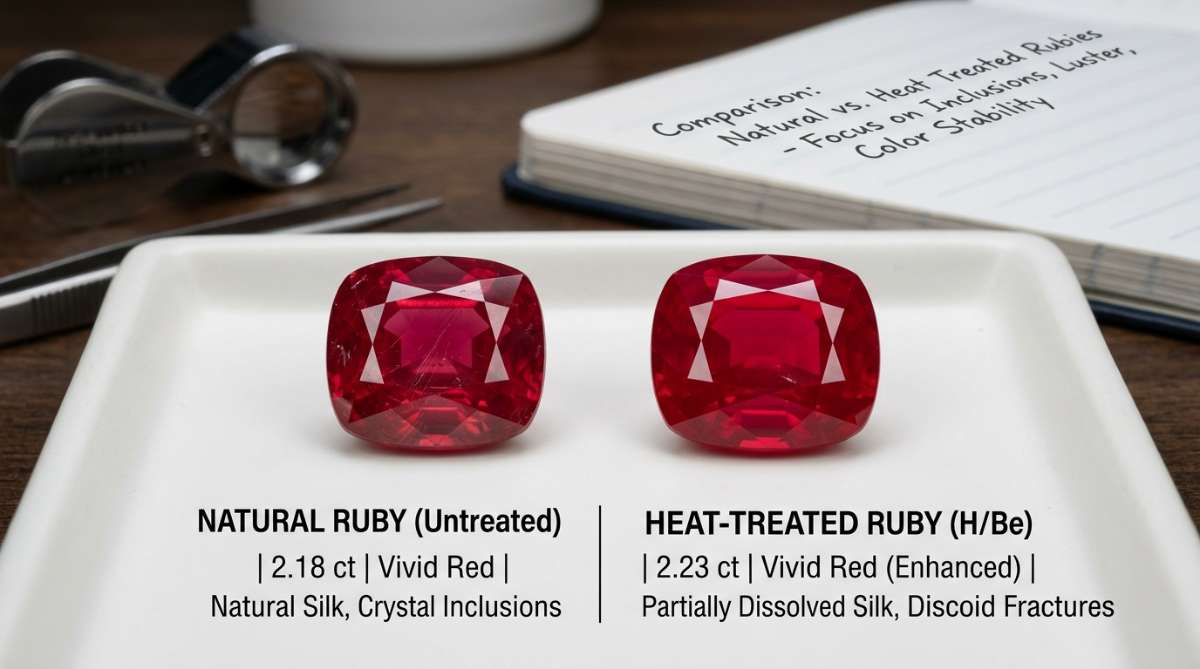
Most colored gemstones on the market are heat-treated to improve their color or clarity — this is a normal, accepted industry practice and doesn't make a stone less "real." What matters is disclosure: a reputable seller always tells you upfront whether a stone is heated, unheated, oiled (for emeralds), or otherwise treated, rather than leaving you to find out later. We state treatment status plainly on every product page — "unheated & untreated," "minor oil," or "heated" where applicable. Unheated stones of fine color are rarer and typically command a premium, but a well-disclosed heated stone is a completely legitimate, often more affordable choice for the same look. The only thing to watch for is a seller who's vague about it.
What Does "Kashmir," "Panjsher," or "Ceylon" Actually Mean?
Origin names carry real weight in the gem trade, and it's worth understanding what they mean before you buy. "Ceylon" refers to Sri Lanka, a major and reliable source for sapphires. "Panjsher" refers to Afghanistan's Panjsher Valley, prized for vivid green emeralds that can rival Colombian material. "Kashmir" is the one buyers most often misunderstand. In the auction-house sense, "Kashmir sapphire" refers specifically to the historic, now largely exhausted mines in Indian-administered Kashmir (Kishtwar/Padder), mined mainly in the late 1800s — these are exceptionally rare and valuable specifically because that source is nearly gone. Separately, there are real, documented sapphire deposits on the Pakistani side of the wider Kashmir region (including a locality called Batakundi in Azad Kashmir), which produce genuinely beautiful stones but are a distinct source, generally valued differently from the historic Indian material. We're upfront about which is which on every listing. If the exact origin distinction matters for your purchase — for insurance, resale, or collecting purposes — ask us directly and we'll tell you plainly what we know, and can point you toward independent lab testing if you want origin confirmed on paper.
How Do I Verify a Gemstone Certificate Is Real?
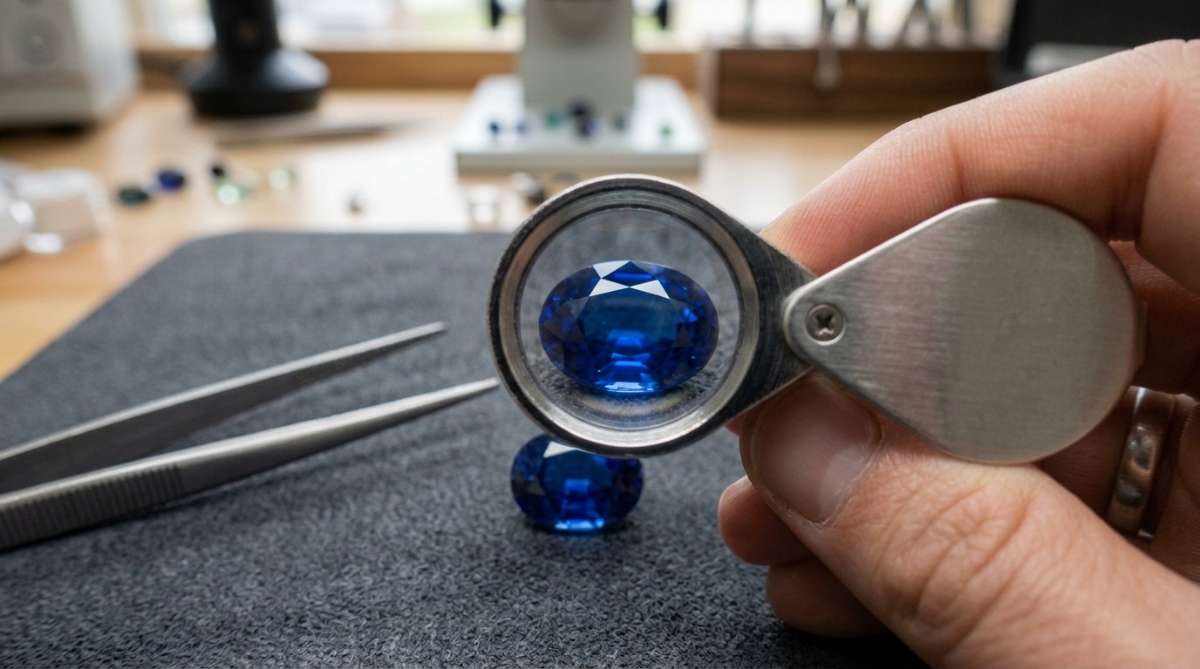
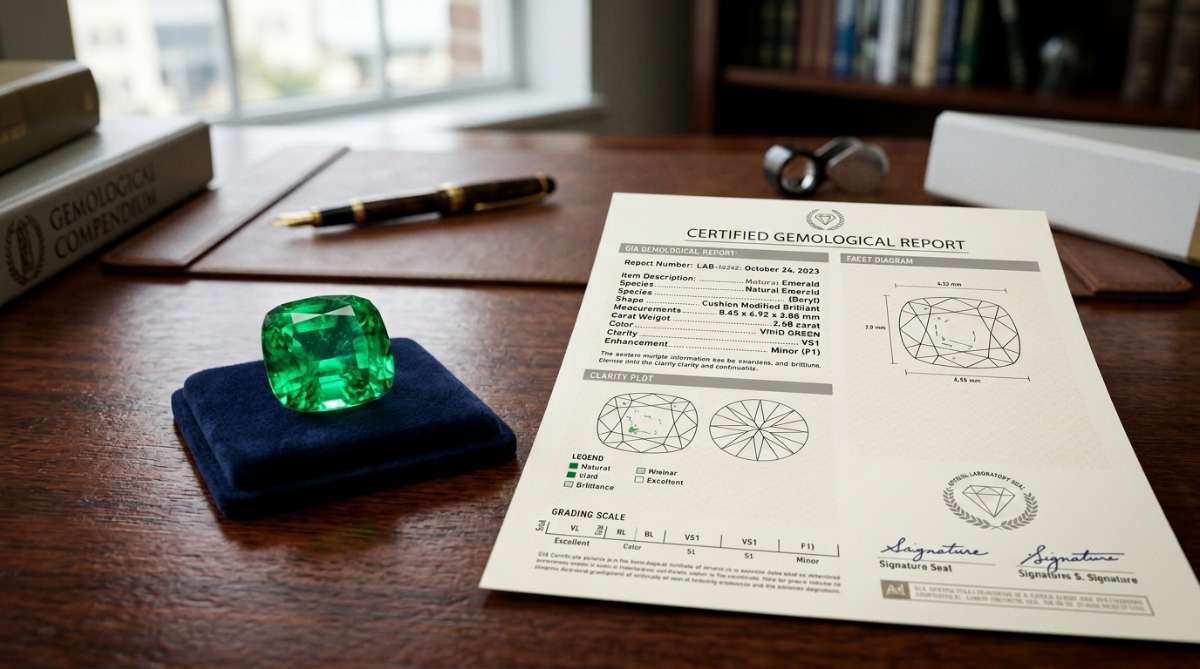
Every certificate we issue can be independently checked on our <a href="../verify.html">Verify Certificate</a> page — just enter the certificate ID and it looks up the record directly, rather than asking you to trust a printed piece of paper alone. This protects you as a buyer and protects the value of what you're purchasing. For higher-value stones, especially anything sold under a specific origin claim, we also recommend independent lab confirmation — GIA, GRS, SSEF, and Gübelin are internationally recognized labs that test origin and treatment status using spectroscopy and inclusion analysis, not just visual grading. We're happy to discuss lab options for any stone before you buy.
How Does Buying From Us Actually Work?
Every purchase starts on WhatsApp — reach out about a stone, we confirm availability and answer any questions (including sending extra photos or video on request), then arrange payment via bank transfer, JazzCash, Easypaisa, or Payoneer. Once payment is confirmed, we ship worldwide with full tracking. Orders of $200 or more ship free; smaller orders have shipping calculated by destination. Handling takes 1-2 working days, and transit typically runs 13-32 business days depending on your location and customs processing. If a stone doesn't match its description or certification once it arrives, our 7-day return policy covers you — full details are on our <a href="../return-policy.html">Return & Refund Policy</a> page.
Questions Readers Often Ask
Do you sell only natural gemstones, or also lab-created stones?
Only natural, earth-mined gemstones. We don't sell lab-created or synthetic stones, and this is stated clearly on every product page.
Can I request a live video call before buying an expensive stone?
Yes — message us on WhatsApp and we're happy to arrange a video call or send additional close-up video before you commit to a higher-value purchase.
What's the difference between clarity grades like VS2 and SI1?
These are standard gemstone clarity grades, from cleanest to more included: VVS (very very slightly included), VS (very slightly included), SI (slightly included), and I (included). VS and SI grades are common and often "eye-clean," meaning inclusions aren't visible without magnification — the grade tells you what's there under a loupe, not necessarily what you'll see with the naked eye.
Featured Products
Interested in our gemstones?
View Our Collection →