Kashmir sapphires are the rarest and most valuable blue sapphires in the world, prized for their soft "cornflower" blue and velvety glow. Genuine stones almost always come with a lab-certified origin report, since the historic mines have been largely exhausted for decades. First-time buyers should always buy from a reputable dealer and insist on independent certification.
What Makes a Kashmir Sapphire Different
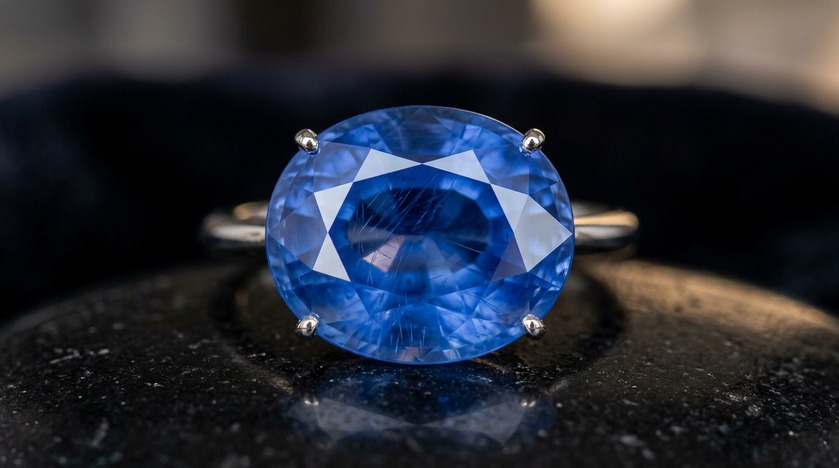
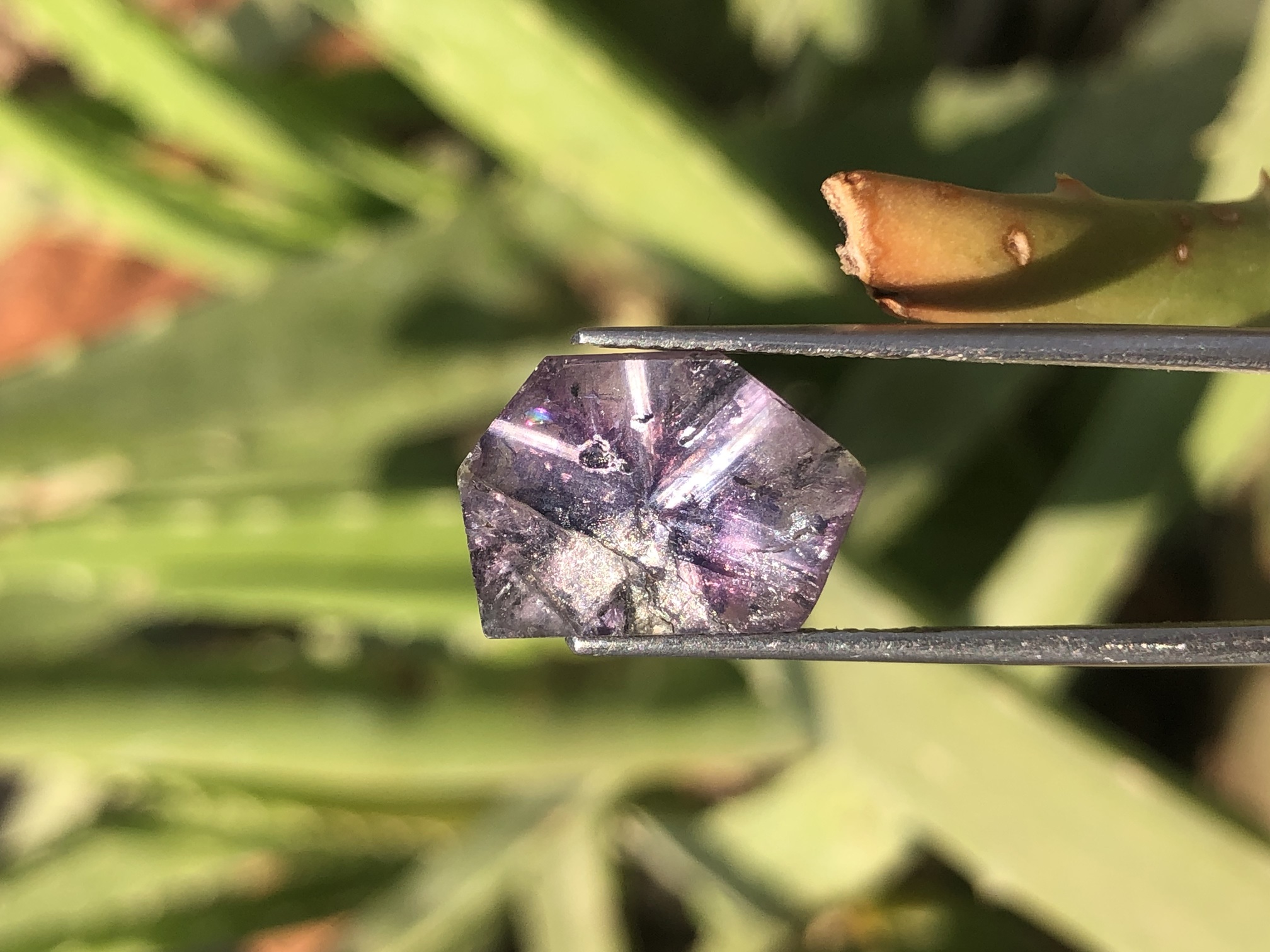
When gemologists and auction houses say "Kashmir sapphire," they don't just mean any blue sapphire found somewhere in the Kashmir region — it's a specific trade term tied to one legendary source: the historic mines in the Kishtwar and Padder area of the Indian side of Kashmir, discovered in the late 1800s. That original deposit was largely worked out by the early-to-mid 20th century, which is exactly why genuine Kashmir sapphires are so scarce today — almost none of the material on the market was mined recently. What buyers are really paying for is a specific look. Kashmir sapphires are famous for a soft, slightly hazy "cornflower" blue with a velvety, almost sleepy glow rather than the crisp brilliance of a Burmese or Ceylon stone. This effect comes from microscopic light-scattering inclusions inside the crystal — the very "flaws" that would lower the value of most other gemstones are part of what makes a Kashmir sapphire recognizable and desirable. Because true Kashmir material is both rare and distinctive, it commands the highest price-per-carat of any sapphire origin in the world — often many times more than a Burmese or Ceylon stone of comparable size and color. That premium is exactly why the name gets misused. A stone merely found in the wider Kashmir region (including areas on the Pakistani side) is not automatically a "Kashmir sapphire" in the trade sense unless it matches the specific geological and gemological signature of the historic deposit — and even then, it needs lab confirmation to be sold as such.
How to Verify Authenticity Before You Buy
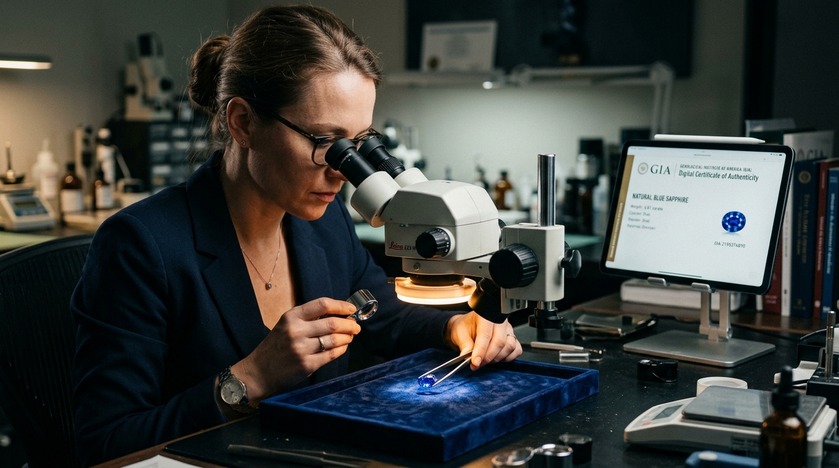
This is the single most important step for a first-time buyer, because the price gap between a genuine Kashmir-origin stone and a similar-looking sapphire from another source is enormous — and the difference is invisible to the naked eye. Insist on an origin report from a recognized independent laboratory, not just a quality grading report. Labs respected in the trade for origin determination include: GRS (Gem Research Swisslab) SSEF (Swiss Gemmological Institute) Gübelin Gem Lab These labs use spectroscopy and detailed inclusion analysis to determine geological origin — something a standard certificate that only grades color and clarity will not do. A report that simply says "natural sapphire" without an origin statement is not sufficient for a stone being sold as Kashmir. Watch for red flags: A seller who can't produce (or won't pay for) an origin report from one of the labs above. A price that seems "too good" for a claimed Kashmir stone — genuine material rarely trades cheaply. Vague language like "Kashmir-type" or "Kashmir color" used to describe a stone's look rather than its actual origin — this is a common and technically accurate way for sellers to describe a similar-colored stone from elsewhere without falsely claiming origin, but first-time buyers often misread it as a origin claim. Auction or private sales with no return policy if the origin claim doesn't hold up under independent testing. If you're buying rough or uncertified material — for example, sourced directly from a mining region rather than a certified dealer — treat it as unverified until tested. Origin claims based on where a stone was purchased or mined by a local seller are not the same as a lab-confirmed origin.
Price Expectations and Where to Buy Safely
Genuine, lab-certified Kashmir sapphires are firmly in the collector and investment tier of the gem market. Depending on size, color saturation, and clarity, fine-quality certified stones can range from roughly US$10,000 to well over US$100,000 per carat, with exceptional stones at major auction houses reaching far higher. This is not a category where a first-time buyer should expect a "bargain." For first-time buyers, a few practical guidelines: Buy from established, reputable dealers or recognized auction houses (Sotheby's, Christie's, or dealers with a long-standing trade reputation) rather than informal or unverified sellers, especially for anything marketed as Kashmir origin. Budget for the certification, not just the stone — a proper origin report from GRS, SSEF, or Gübelin costs money and time, but it is what protects your purchase's resale value and authenticity. Consider your actual goal. If you love the cornflower-blue look but don't need investment-grade rarity, a fine unheated Ceylon (Sri Lankan) sapphire with a similar color character can offer a very similar aesthetic at a fraction of the price — and is far easier to buy with confidence as a first-timer. Never buy based on photos alone for a high-value claimed-Kashmir stone. Colour and the characteristic "sleepy" glow are difficult to judge accurately in images, and this is exactly the category where misrepresentation is most costly. Get a second opinion from an independent gemologist (not affiliated with the seller) before finalizing any high-value purchase, especially your first one.

Questions Readers Often Ask
What color is a genuine Kashmir sapphire
A: Kashmir sapphires are known for a distinctive soft "cornflower" blue with a slightly hazy, velvety glow, caused by fine internal inclusions that scatter light gently rather than allowing crisp, sharp brilliance. This look is one of the gemologists check for alongside lab spectroscopy when confirming origin.
Can new Kashmir sapphires still be mined today
The historic Kashmir deposit was largely exhausted decades ago, and mining activity there today is minimal to negligible. This is a major reason genuine Kashmir sapphires are so rare and valuable — most stones on the market were mined long ago and have simply changed hands since.
Is it worth buying a Kashmir sapphire without a lab certificate
For a first-time buyer, this is generally not advisable. Without an independent origin report from a lab like GRS, SSEF, or Gübelin, there's no reliable way to confirm the stone is genuinely from the historic Kashmir source rather than a similar-looking sapphire from another origin — and the price difference between the two can be enormous.
Featured Products
Interested in our gemstones?
View Our Collection →