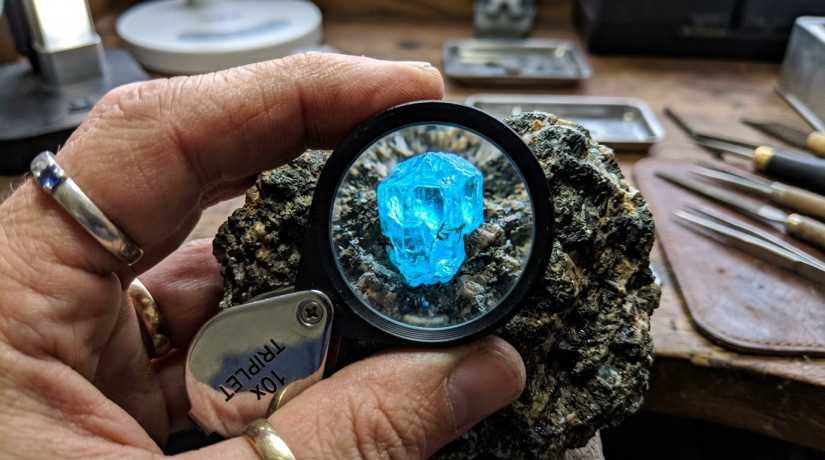
Paraíba tourmaline is a rare copper-bearing gemstone renowned for its electric neon blue to blue-green colors, first discovered in Brazil in 1989 by Heitor Barbosa. In 2026, a new deposit was discovered near Abuloo, Ethiopia, triggering a gem rush with parcels selling for over $1 million. The GIA and Gübelin Gem Lab independently confirmed Ethiopia as the fourth known source, identifying distinctive chemical markers including elevated vanadium, lead, and gallium concentrations that enable origin determination. This discovery adds a significant new origin to the Paraíba tourmaline supply chain.
A Gemstone Like No Other
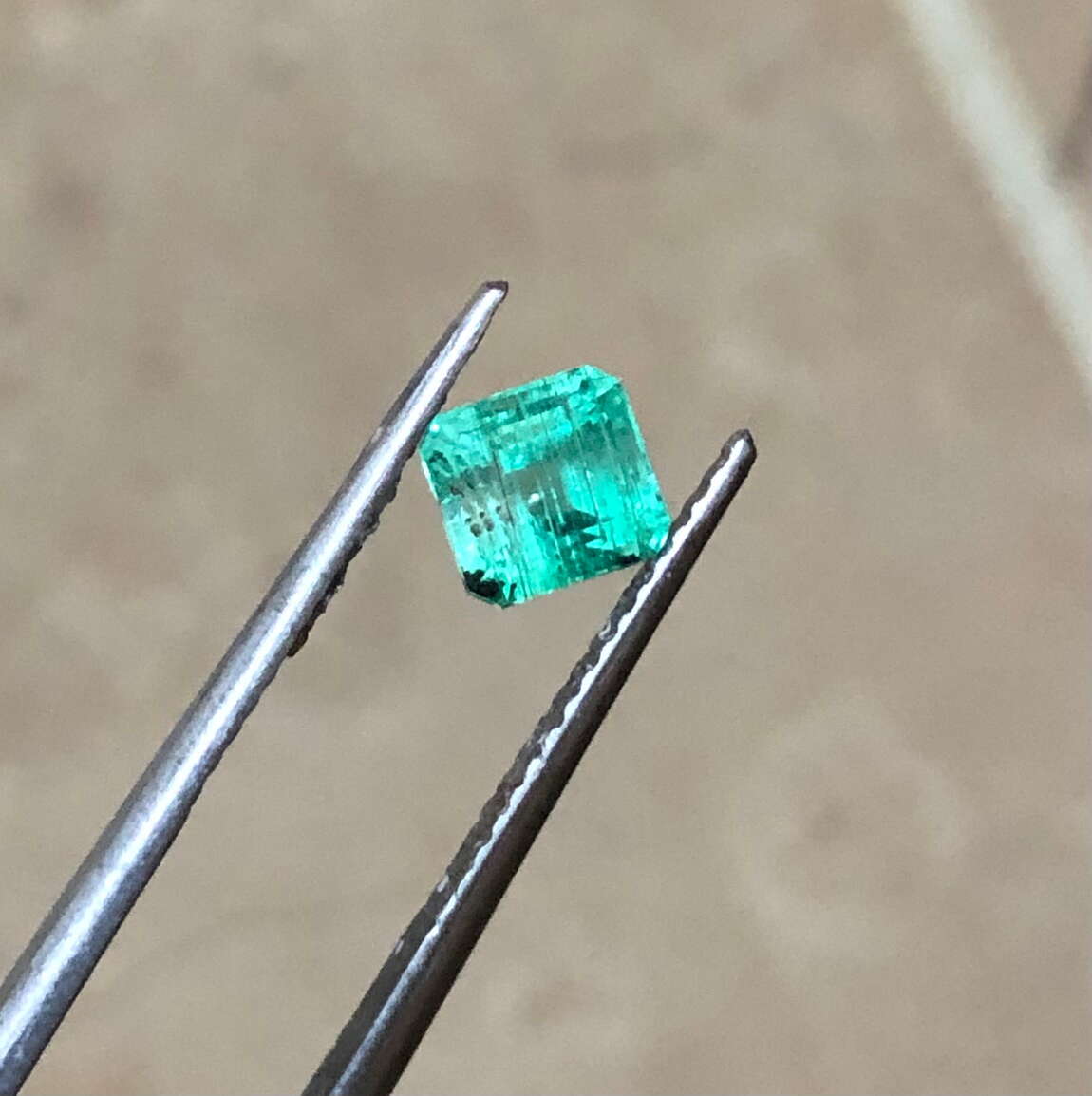
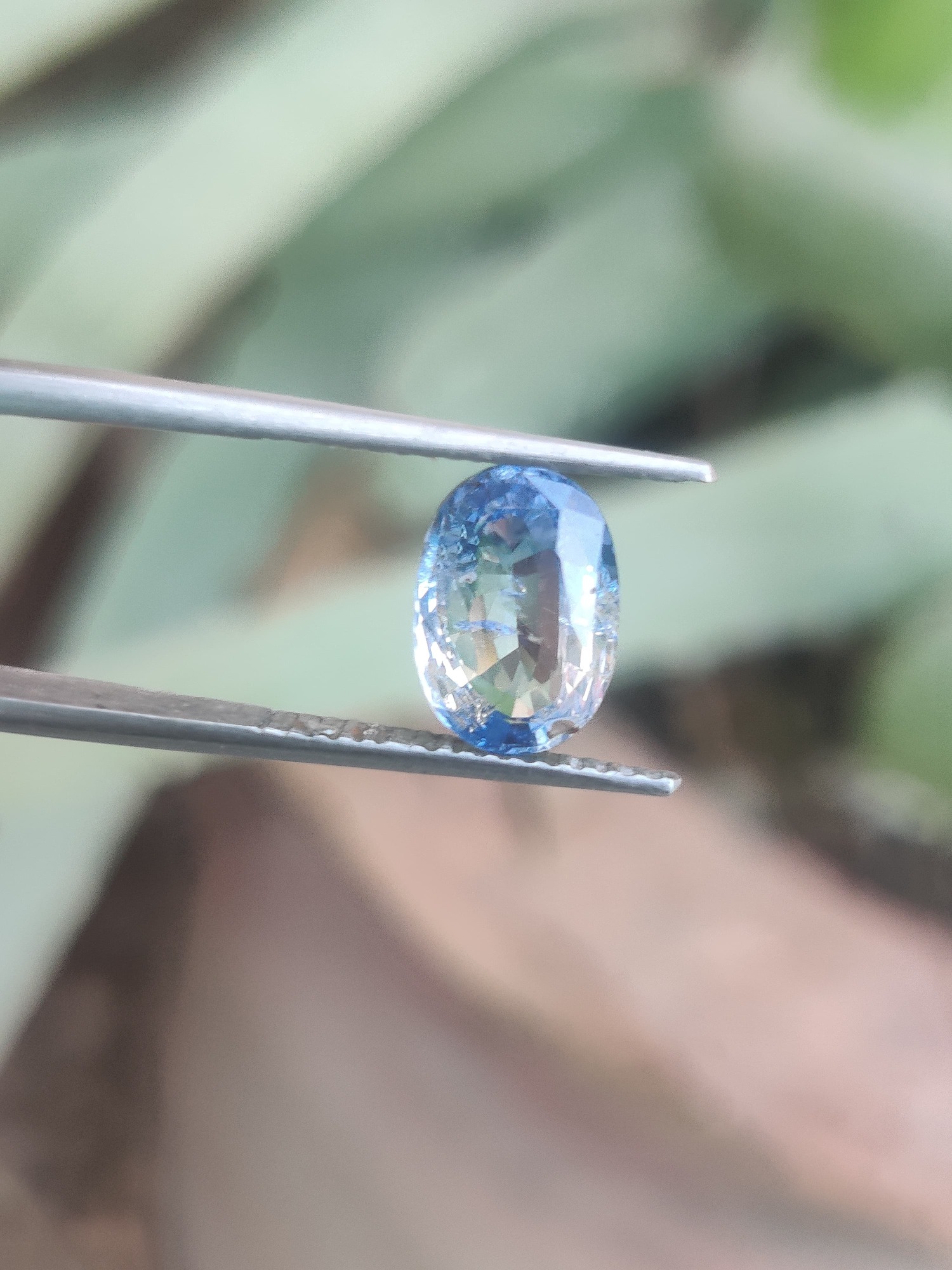
Among the world's colored gemstones, few command the same level of awe and desire as the Paraíba tourmaline. With its electrifying neon blue to blue-green hues—colors that seem to glow from within—this rare copper-bearing variety of elbaite tourmaline has captivated gem collectors, investors, and jewelry enthusiasts since its discovery in the late 1980s. The story begins in 1981, when Brazilian gem prospector Heitor Dimas Barbosa became convinced that something extraordinary lay hidden in the weathered pegmatite hills near São José da Batalha in the state of Paraíba, northeastern Brazil. For years, he and his team dug tirelessly through old mines that had previously yielded aquamarine, topaz, and ordinary tourmaline, facing considerable skepticism from others in the trade. Finally, in the autumn of 1989, Barbosa's persistence paid off. He unearthed a gemstone unlike anything the world had ever seen—a tourmaline whose vivid, almost luminous blue color was unlike any other natural gemstone. What made these stones so extraordinary was their chemical composition. Unlike traditional blue tourmalines colored by iron, Paraíba tourmalines owe their spectacular "neon" or "electric" blue hues primarily to the presence of copper within the crystal structure. This copper content, often accompanied by manganese, produces a color intensity and brilliance that no other gemstone in nature can replicate. The finest examples display a saturated blue color that seems to glow even in the weakest light—a phenomenon that instantly set them apart from every other gem on the market.
The Rarity Factor
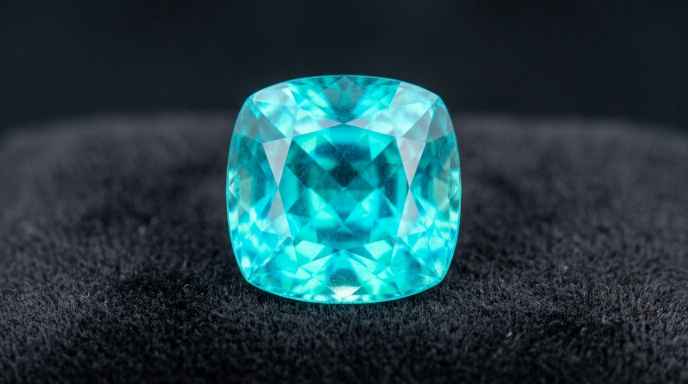
Production from the original Brazilian deposits in Paraíba and the neighboring state of Rio Grande do Norte was relatively sparse. The mines yielded only limited quantities of gem-quality material, and large stones remained exceptionally rare. This scarcity, combined with the stone's unprecedented beauty, drove prices to extraordinary heights. By 2025, a 13.54-carat Paraíba tourmaline sold at Christie's for $4.2 million—over $310,000 per carat, setting a world auction record for the gem. Saturated blue stones typically command $20,000 to $50,000 per carat, with exceptional examples reaching even higher prices. In the early 2000s, the gemstone trade welcomed the discovery of additional sources in Nigeria and Mozambique. Mozambique in particular emerged as a major supplier, producing copper-bearing tourmalines in significantly larger quantities than before, with stones occasionally weighing several hundred carats. These African sources helped meet growing demand while still commanding premium prices, though stones with documented Brazilian origin typically retain a premium in the market.
The Ethiopian Discovery: A Game-Changer
In 2026, the gemstone world was rocked by news of a potential new source of Paraíba tourmalines—this time from Ethiopia. The discovery emerged from the Oromia region, near the village of Abuloo, close to Shakiso—an area already known for coffee, gold, and emerald mining. The first whispers reached the trade on May 25, 2026, when a contact from Shakiso mentioned "Paraíba" to a gemologist based in Addis Ababa. The news spread like wildfire through the Ethiopian gem trade and quickly beyond the country's borders. A parcel of Paraíba tourmalines reportedly sold for more than 200 million Ethiopian Birr—over 1 million USD. By early June, international buyers from Thailand, Germany, Switzerland, Brazil, Sri Lanka, India, and elsewhere began arriving in Addis Ababa and Hawassa. Local dealers, particularly those active around the emerald mining areas near Shakiso, almost stopped trading other stones and focused entirely on these new treasures.

Significance for the Gem Trade
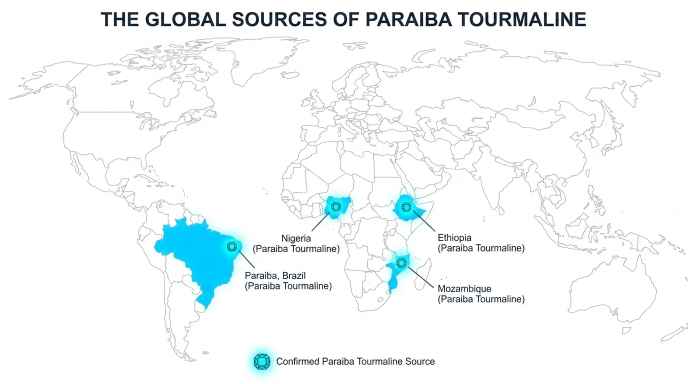
The confirmation of Ethiopia as the fourth known source of Paraíba tourmaline—joining Brazil, Nigeria, and Mozambique—represents a significant development for the colored gemstone industry. The discovery adds a new origin to the supply chain at a time when demand for these extraordinary gems continues to grow. However, the emergence of a new source also brings challenges. The trace-element overlap between Ethiopian and Brazilian material in particular complicates origin determination. Geographic origin can have a significant effect on value, with stones from the original Brazilian locality typically commanding the highest premiums. As more Ethiopian material reaches the market, both GIA and Gübelin have stated they will continue expanding their reference collections and plan to publish detailed findings from their independent studies in an upcoming issue of Gems & Gemology.
Questions Readers Often Ask
What makes Paraíba tourmaline different from other tourmalines?
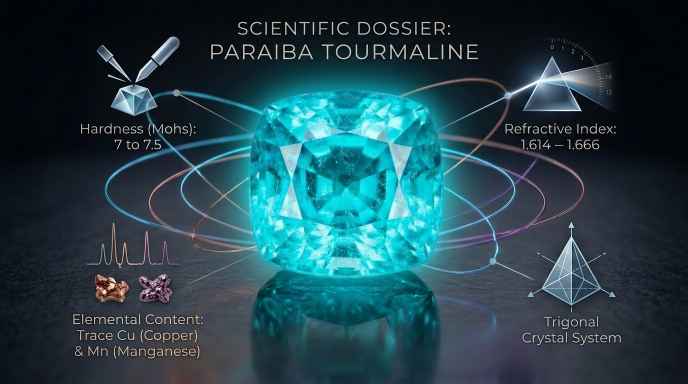
Paraíba tourmaline is distinguished by its copper content, which produces an intense "neon" or "electric" blue to blue-green color unlike any other natural gemstone. While most blue tourmalines are colored by iron, the copper in Paraíba tourmalines creates a vivid, almost glowing appearance that remains brilliant even in low light. The stone typically has a hardness of 7–7.5 on the Mohs scale and exhibits strong pleochroism (showing different colors when viewed from different angles).
How can buyers and collectors distinguish Ethiopian Paraíba tourmalines from those from Brazil, Nigeria, or Mozambique?
Ethiopian Paraíba tourmalines can be distinguished through laboratory analysis. Both GIA and Gübelin have identified distinctive chemical characteristics in Ethiopian material, including elevated vanadium concentrations above 60 ppm, lead levels of 170–6,000 ppm, and gallium concentrations of 280–900 ppm. These markers can be measured using standard analytical methods such as ED-XRF. GIA now offers origin determination for Ethiopian material on its Tourmaline Identification and Origin Reports. While some Ethiopian stones show trace-element overlap with Brazilian material, advanced testing can reliably distinguish the origins.
What is the significance of the Ethiopian discovery for the gemstone market?
The Ethiopian discovery adds a fourth known source of Paraíba tourmaline to the market, potentially increasing overall supply. However, geographic origin significantly affects value, with Brazilian stones typically commanding premium prices. The discovery also presents challenges for origin determination, as some Ethiopian material shows chemical similarities to Brazilian stones. Both GIA and Gübelin are conducting ongoing research to refine identification methods, and the laboratories plan to publish detailed studies of the Ethiopian material. For collectors and investors, proper laboratory documentation of origin remains essential.
Featured Products
Interested in our gemstones?
View Our Collection →